

What city and country owe each other
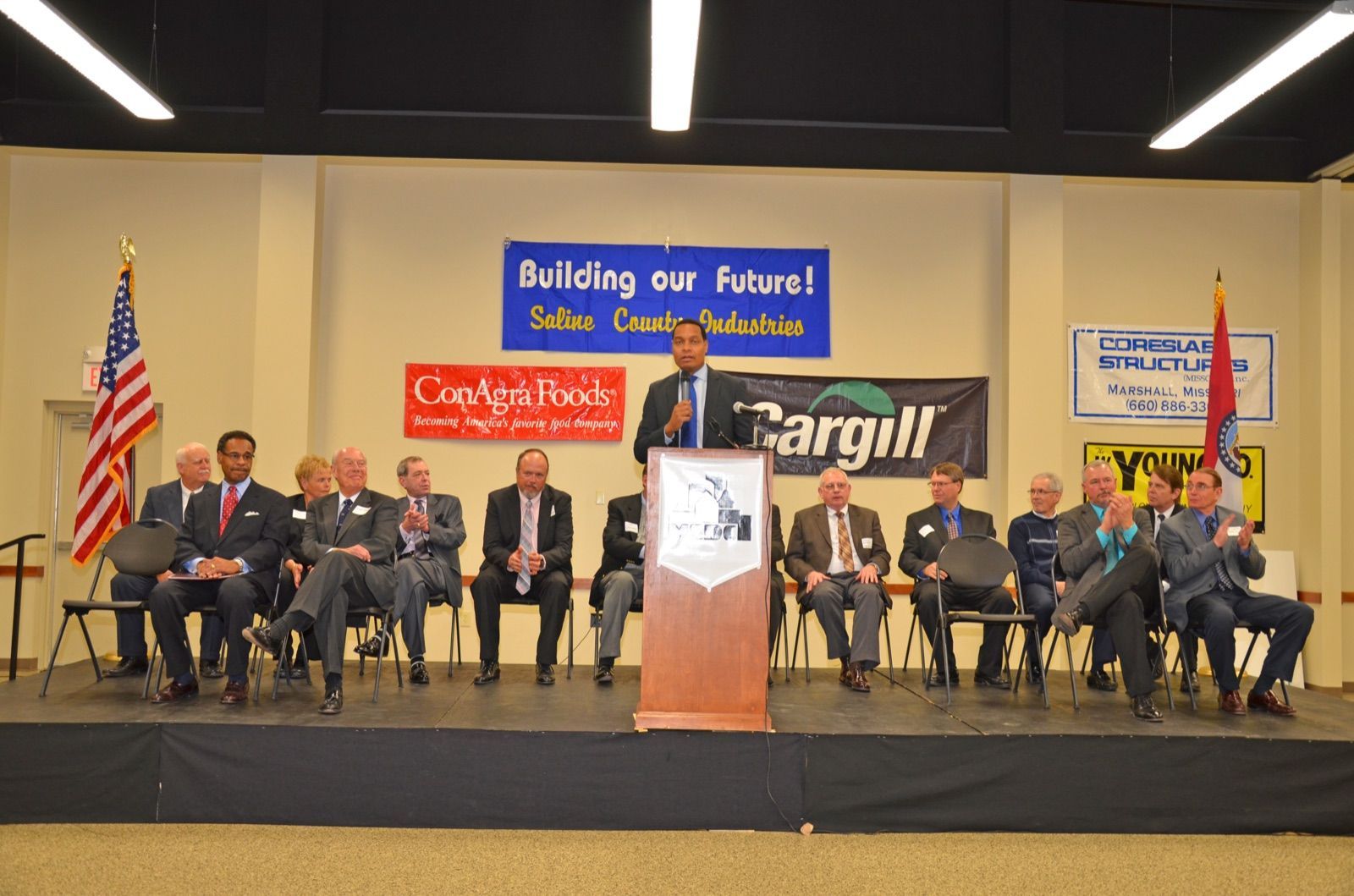
In the spring of 2013, a Kansas City restaurant filled up with elected officials from Clinton, Higginsville, Lexington, Marshall and Slater. During his remarks, Mayor Sly James told the room, "Kansas City has always been agricultural." He was right, and he still is. Drive a short way north or south of downtown and you are in farm and pasture country.
The idea behind that lunch was simple. As goes Kansas City, so go the communities around it. I have come to believe the reverse is just as true.
I learned it in Saline County. In 2012 I spent evenings in public meetings in Sweet Springs, Slater and Marshall. The first question was always the same: how do you create jobs? The residents set the priorities themselves. When the list left out agriculture and the arts, they said so, and they were right. As I told them then, the residents of Saline County were going to have to chart their own destiny.
In Sweet Springs I told the aldermen they had Missouri's main street, Interstate 70, right at their front door, and that other towns would love to have what they had. I also told them that not all economic development is created equal, and not every deal is a good deal. That is as true in a county seat as it is downtown.
The Marshall City Council endorsed the plan in February 2013, and so did the Saline County Commission. That July, Kansas City business people helped raise at least $4,250 for the Marshall food pantry. As one of the donors put it, they were glad to help promote regional cooperation.
I grew up in Section 8 housing in Kansas City. I had no idea how my rural brothers and sisters lived from day to day. People always talk about how different we are, but I found for the most part, we are the same. We all want the best for children, safe communities, and decent work.
Two men shaped how I think about this. Congressman Emanuel Cleaver taught me you can be in politics and still be civil: "Bees can't make honey and sting at the same time." Hugh Zimmer taught me that it is better to go for the slow nickel than the quick dollar. A city and the towns around it need both lessons.
The gaps today are real, and they run both ways. In Kansas City, 90.4 percent of households have a broadband subscription; in Ray County it is 84.0 percent. In Kansas City, 38.4 percent of adults hold a bachelor's degree; in Ray, Henry and Audrain counties it is under 17 percent. But the median household income in Lafayette County ($80,612) and Ray County ($74,573) is higher than Kansas City's ($69,166), and in all five counties I worked in, a larger share of homes are owner-occupied than in the city.
So the story is not that one side is behind. Each has something the other needs. The city has institutions, capital and reach. The towns have land, ownership and a habit of showing up for each other. What we owe each other is the truth, a fair deal, and a seat at the same table.
Figures: U.S. Census Bureau QuickFacts, 2020 to 2024 American Community Survey estimates, read November 5, 2026.