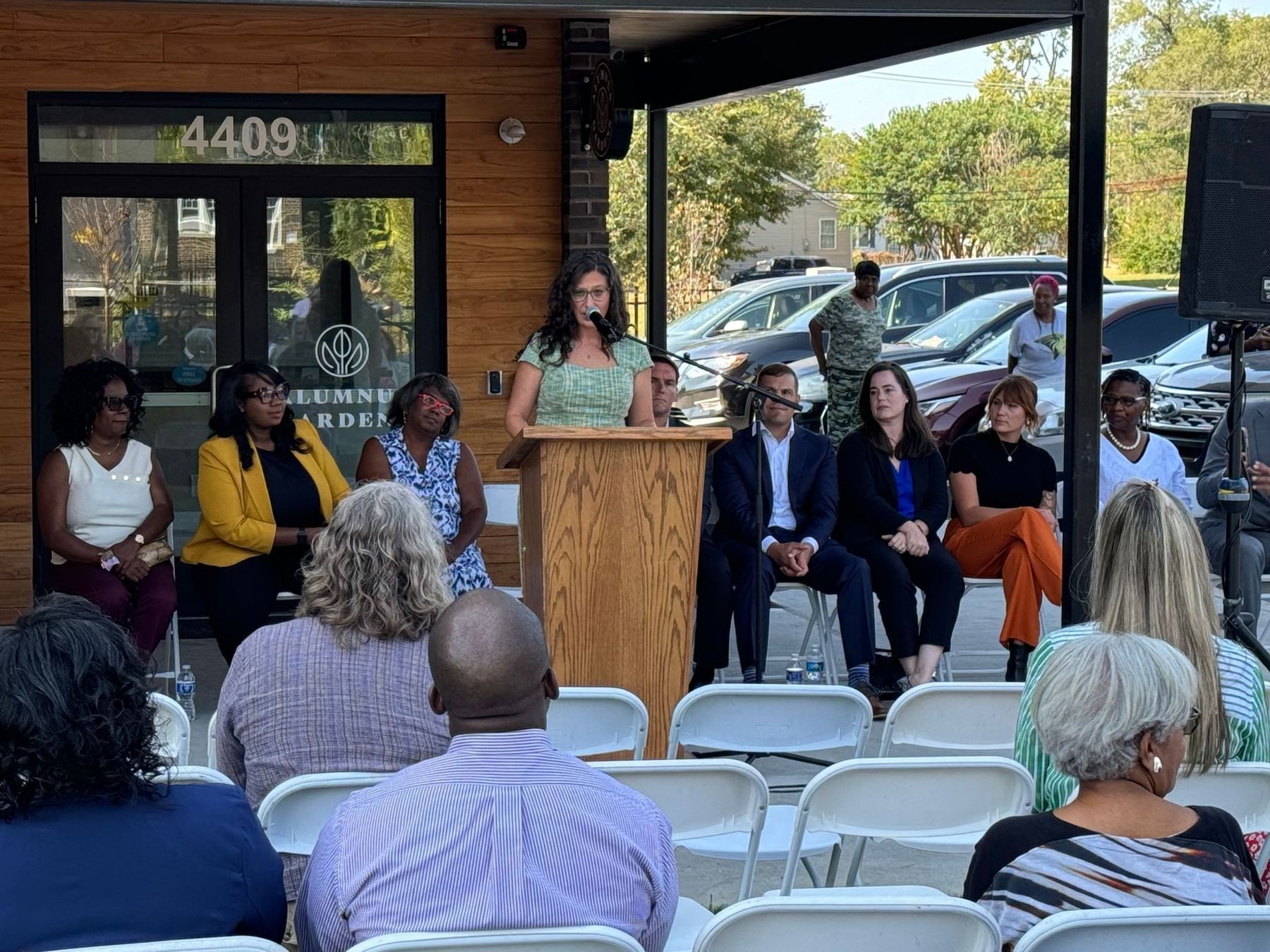
Both sides of the dais
Advice from people who
have actually
done it.
We have voted on these projects, regulated them, brokered them and built them. Pick the seat you are sitting in.
Who is asking
Four doors. Same standard.
Some services appear under more than one door on purpose. You should find what you need where you are looking, not where we filed it.
Public Sector
Cities, counties, districts, agencies
- Community engagement
- Data center & emerging industry engagement
- Public hearing facilitation
- Stakeholder alignment workshops
- Urban planning & analysis
- Infrastructure consulting
- Housing needs assessments
- Disparate impact analysis
- Community health & housing
- Legislative & regulatory advocacy
Developers & Owners
People carrying the same risk we do
- Market analysis & feasibility
- Deal structuring & P3s
- Real estate advisory
- Owners representative
- Due diligence & acquisition
- Year 15 LIHTC strategy
- HFA / QAP strategy
- Predictive site selection
- Community-developer mediation
Faith & Nonprofit Institutions
Land, a mission, and no playbook
- Faith based partnership structuring
- Grant writing & applications
- Housing needs assessments
- Feasibility studies
- Community engagement
Legal, Lenders & Fiduciaries
When it is already contested
- Expert witness & litigation support
- Appraisal review & valuation
- Receivership & distressed assets
- Due diligence
The conflict rule
We develop and we advise. Never both on the same deal.
Every developer we advise asks the same question, usually without saying it out loud. So we answer it first, in writing, before anyone signs anything.
Six conditions, no exceptions
- Findings are public, on a date set before work begins.
- We do not advocate. No testimony, no appearing as your representative.
- The jurisdiction is told first, including who is paying.
- Our name goes on the method, never the outcome.
- No contingency fee, ever. A contingent fee buys a conclusion.
- One side per project. Applicant or jurisdiction, never both.
Flagship practice
Data centers and emerging industries.
Ten years ago it was wind. Five years ago solar. Today data centers, and battery storage is already at the door.
The problem
The loudest twenty become the record
A council votes on the only evidence it has, and half the town believes it was never heard.
What we do
Find out what the town actually thinks
A statistically representative assessment, not an open survey that only the angry fill in.
Why a third party
The city is no longer believed
And the applicant never was. Education has to come from someone with nothing to gain.
The full service line, seven services and six stipulations →
Why it comes to us
The room is already full when they call.
By the time a jurisdiction looks for help, the public has usually stopped trusting the city, nobody knows who the loud voices speak for, and no one in the room can say what the use actually does. None of that is fixed by another meeting.
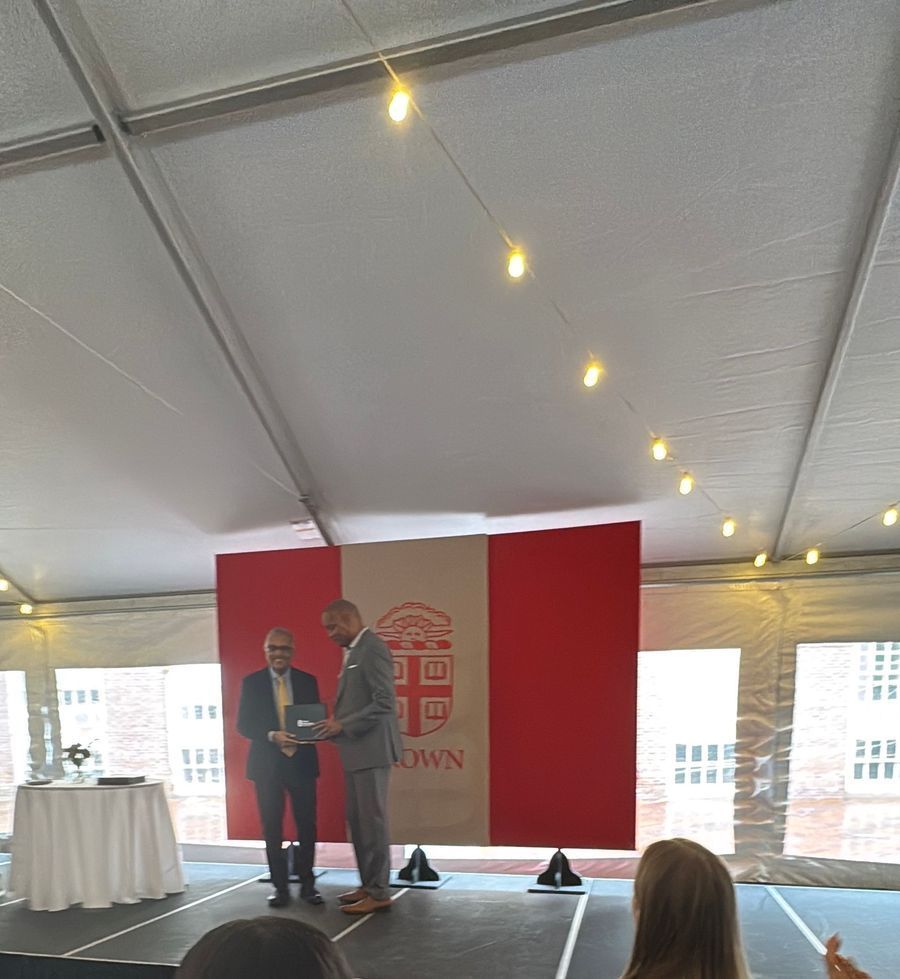
Of the ten largest affordable housing developers in the country, not one offers advisory services. Of the consultancies that advise on housing, not one has ever carried development risk. We do both and we publish the rule that keeps them apart.
Developer rankings: Affordable Housing Finance, Top 50 Affordable Housing Developers of 2025.
Why this is hard to copy
The buyers say it themselves: experience first, price last
This is not the firm's opinion about how it should be judged. It is what public buyers write in their own procurement documents.
The regional planning organization lists its evaluation criteria and says they are applied “in order of priority”. First is specialized experience and technical competence. Second is understanding of the project. Third is references from previous work. Total project cost is listed last.
A city in the same metro puts it more bluntly: proposed fees will be considered, “however selection will not be based solely on cost”, and the aim is to select “the most qualified firm for the project”.
Two buyers, two documents, the same order. Competing on price alone answers the criterion they rank last.
Source: Mid-America Regional Council, Request for Proposals, Hazards and Vulnerability Analysis, section I, read 17 September 2026. Source: City of Edgerton, Kansas, Request for Proposal, Community Engagement Regarding Emerging Industries, read 17 September 2026.
Tell us which seat you are sitting in.
We will tell you honestly whether you need us, and which part.