We are a principal
We do not advise on affordable
housing. We build
it.
Four developments awarded by the Missouri Housing Development Commission. 254 homes. Real deals, real risk, real closings.
How we develop
Five ways a deal gets done.
9% LIHTC
Competitive tax credit applications, scored against every other developer in the state.
4% LIHTC + Bonds
Non-competitive credits paired with tax-exempt bond financing.
Mixed Income
Blended income communities rather than single-band housing.
Transit Oriented
Housing sited where people can actually reach work without a car.
Faith Based Partnerships
Congregations with land and a mission, and no idea how to develop it.
What it looks like
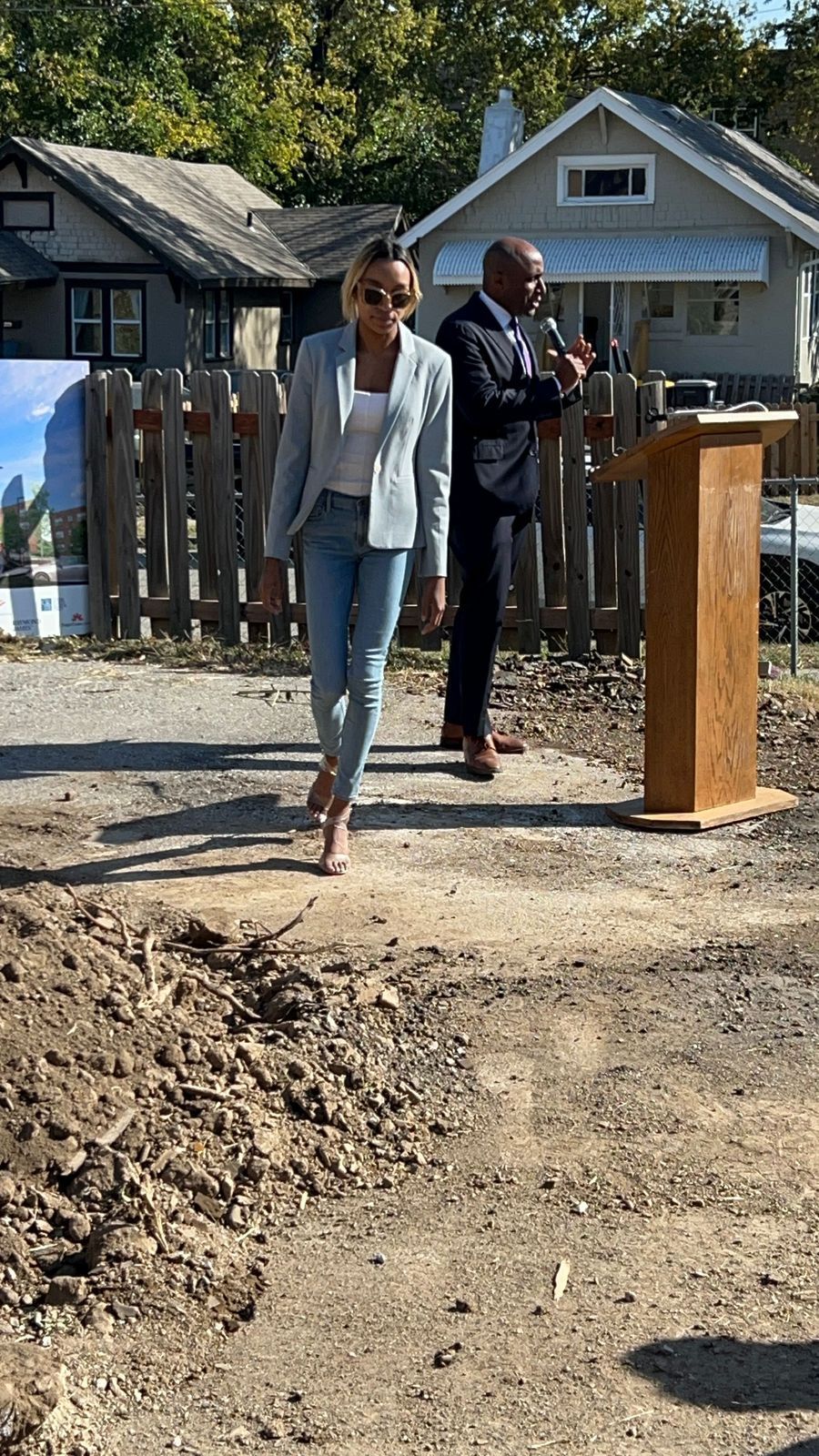
It starts on dirt and ends with keys.
A podium on bare ground is not a photo opportunity. It is the point where the financing closed, the approvals held, and a site that had nothing on it became a development with a delivery date.
The pipeline
Four developments. 254 homes.
Every one awarded by the Missouri Housing Development Commission. Status as of September 2026.
Alumnus Gardens
The Ville, St. Louis
Delivered, tornado-damaged, rebuilding Read the case study →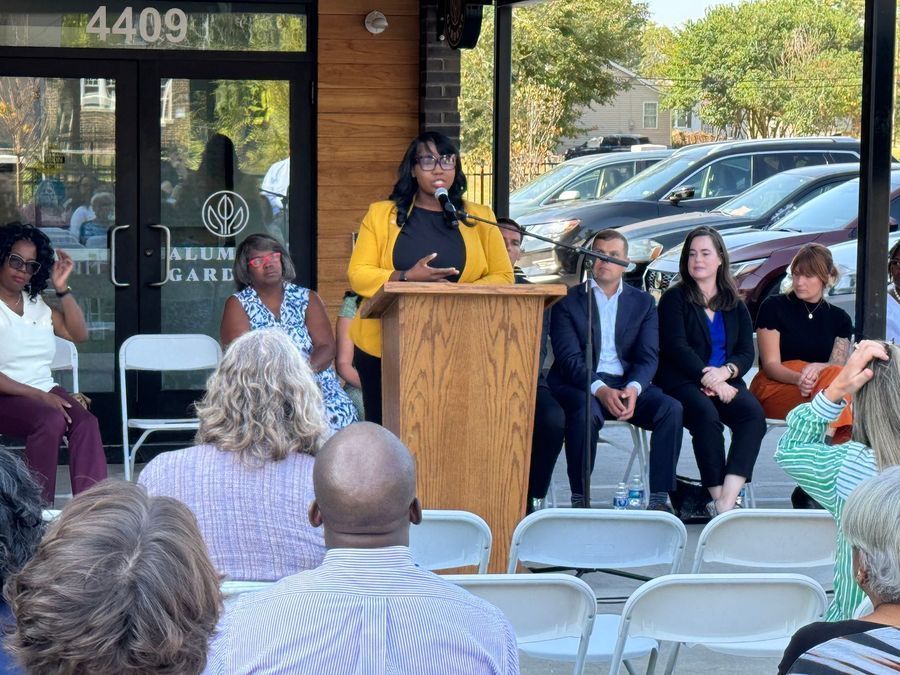
The Mabion
Beacon Hill, Kansas City
Under construction · October 2026 Read the case study →Alumnus Gardens West
The Ville, St. Louis
Under construction · 2027How a development runs
Not one of the ten largest developers publishes this. We do.
A congregation with land is not asking whether we are good. They are asking whether a firm our size can execute. Here is exactly how it goes.
Stage 1
Site & concept
What you bring. Land, a building, or a corner nobody has solved.
Stage 2
Feasibility
What we test before anyone spends money.
Stage 3
Financing
LIHTC, bonds, and the gap nobody warns you about.
Stage 4
Approvals
Zoning, and the community conversation that decides it.
Stage 5
Build & deliver
Construction partner, schedule, lease-up.
Partners
We develop. We partner for the rest.
We are not vertically integrated and we do not pretend to be. We develop, and we partner for construction, management and capital. We are actively looking for the next one.
Bring a site
Land, or a building worth converting.
Bring land and a mission
Congregations and nonprofits sitting on an asset they cannot use.
Bring capital
Equity and debt partners who want housing that gets built.
Why this is hard to copy
The scoring rewards a record, and a record takes years
Missouri does not hand out housing credits on the strength of a pitch. It scores applications against a published plan, and an application must earn at least ninety combined points to reach underwriting at all.
The single largest category in general scoring is a development team's prior performance with the agency, worth up to twenty five points. The lookback is five years. That is not a number a new entrant can buy, discount or subcontract. It is earned by closing deals with that agency and being judged on how they went.
A firm can match a fee. It cannot match five years it did not spend.
Source: 2027 Qualified Allocation Plan, Missouri Housing Development Commission, read 17 September 2026.
Bring us a site, a congregation with land, or capital.
We are actively seeking development partners in Kansas City and St. Louis.