
Dr. Troy Nash grew up in Section 8 housing in Kansas City, Missouri. How that start led to public service, nine degrees, and The Nash Group.

How it started: a kitchen table in 1995, when Troy Nash was a 25-year-old law student at the University of Missouri-Kansas City.
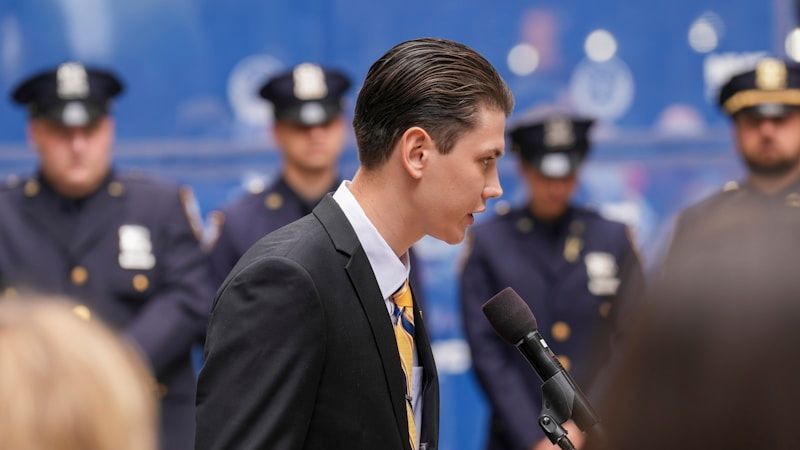
When the Secretary of Housing and Urban Development visited Kansas City, and why it matters who is in the room for that meeting.
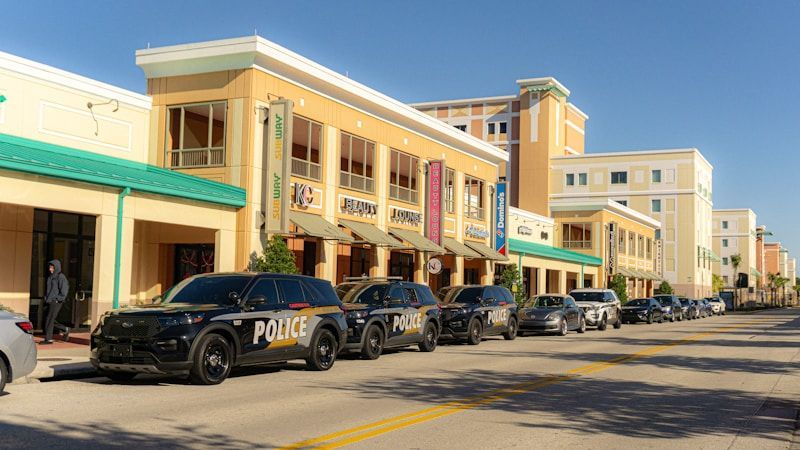
Funding for a police trailer and ATVs, and a plan to combat crime: public safety work in Kansas City's Third District.

Forums to bridge the racial divide in Kansas City, where Troost Avenue divides the city by race and income.

How Kansas City partnered with labor unions to renovate community centers, and the partnerships Councilman Troy Nash built with labor.

Building Kansas City business ties with Mexico and Costa Rica and a larger role in global trade, as covered in the press from 2001 to 2006.
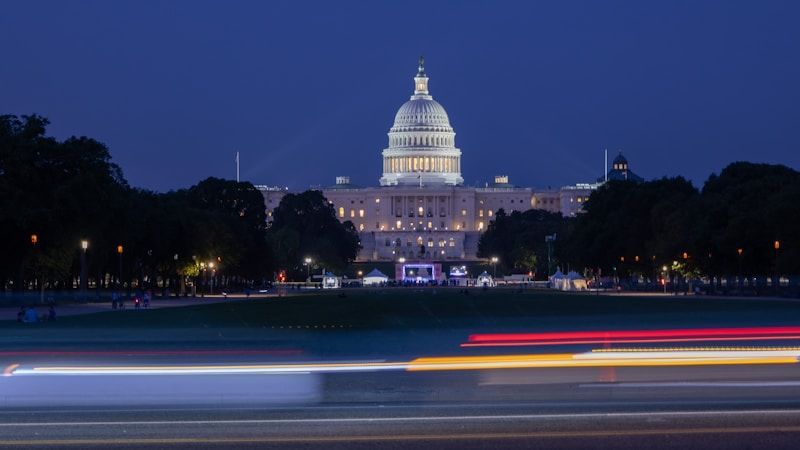
In May 2000, the U.S. Office of Personnel Management selected Troy Nash to serve on the Presidential Rank Award Review Board for federal executives.

Savoy Magazine named Dr. Troy Nash among the Most Influential Black Executives in Corporate America in 2020 and again in 2022.

Nash and McFadden-Weaver announced $300,000 for an inner city youth project, a sports complex at Woodland School in Kansas City.