
Securing Police Equipment and Safety Resources for the Third District

Troy Nash • March 18, 2026

Share this article

Press Coverage: Nash, Weaver Secure Funding for Police Trailer and ATVs to Help Fight Crime; City Councilman Unveils Plan to Combat Crime in the Third District

Crime in the Third District was not an abstract policy issue. It was personal. Residents I knew, people whose homes I visited, families whose children attended the same schools — they were the victims. And the police resources available to protect them were inadequate.

Working with Councilwoman Weaver, I secured funding for police trailers and ATVs for the Third District. These were not luxury purchases. They were essential tools that allowed police officers to establish visible presence in areas that patrol cars could not effectively reach.

The police trailer served as a mobile command center that could be positioned in high-crime areas, giving officers a visible base of operations and giving residents a physical location where they could interact with police without going to a station. The ATVs allowed officers to patrol alleys, vacant lots, and other areas that squad cars could not access.

The equipment funding was part of a comprehensive approach to public safety that I unveiled publicly and pursued through legislation and budget advocacy. The plan combined enforcement tools, community engagement, and environmental improvements.

Enforcement meant getting officers the equipment they needed and establishing visible police presence in areas where residents felt unsafe. Community engagement meant holding forums where residents could tell police what was happening in their neighborhoods. Environmental improvements meant tearing down abandoned buildings, clearing vacant lots, improving street lighting, and eliminating the physical conditions that harbor criminal activity.

Public safety and affordable housing are inseparable. You can build the most beautiful affordable housing development in the city, but if residents do not feel safe walking from their car to their front door, the project has failed.

We believe every development should include a safety analysis. We evaluate crime data, lighting conditions, sight lines, and access patterns. We design our projects to maximize natural surveillance. This approach comes directly from my council experience fighting to make Third District neighborhoods safer.

Recent Posts

By Troy Nash March 19, 2026
Dr. Troy Nash grew up in Section 8 housing in Kansas City, Missouri. How that start led to public service, nine degrees, and The Nash Group.
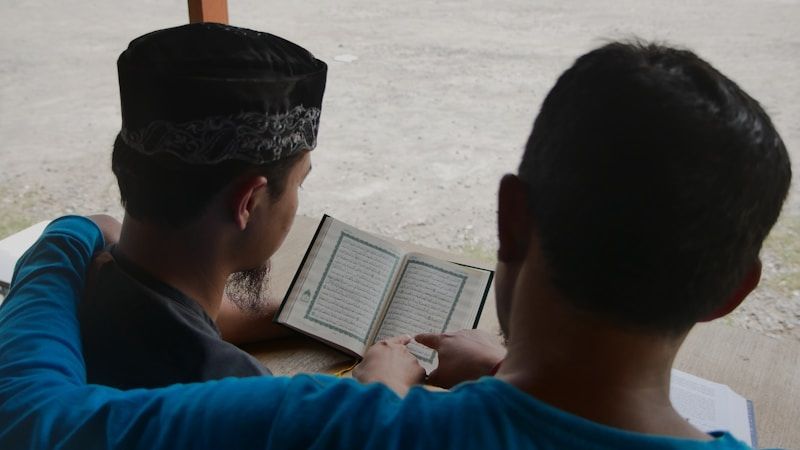
By Troy Nash March 19, 2026
How it started: a kitchen table in 1995, when Troy Nash was a 25-year-old law student at the University of Missouri-Kansas City.
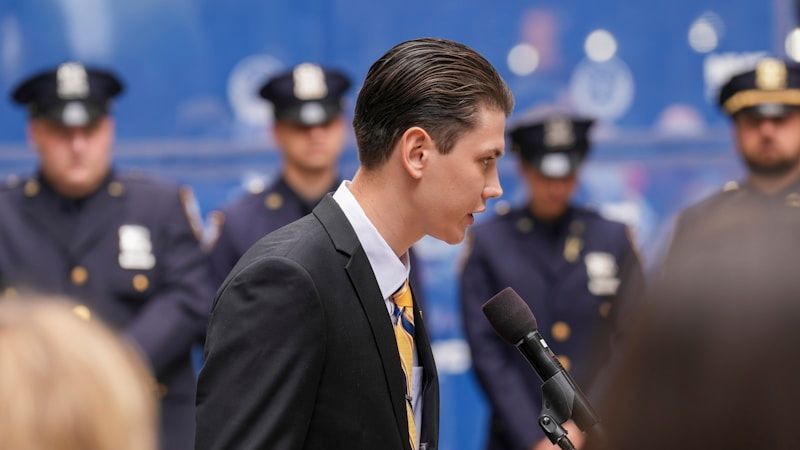
By Troy Nash March 18, 2026
When the Secretary of Housing and Urban Development visited Kansas City, and why it matters who is in the room for that meeting.

By Troy Nash March 18, 2026
Forums to bridge the racial divide in Kansas City, where Troost Avenue divides the city by race and income.
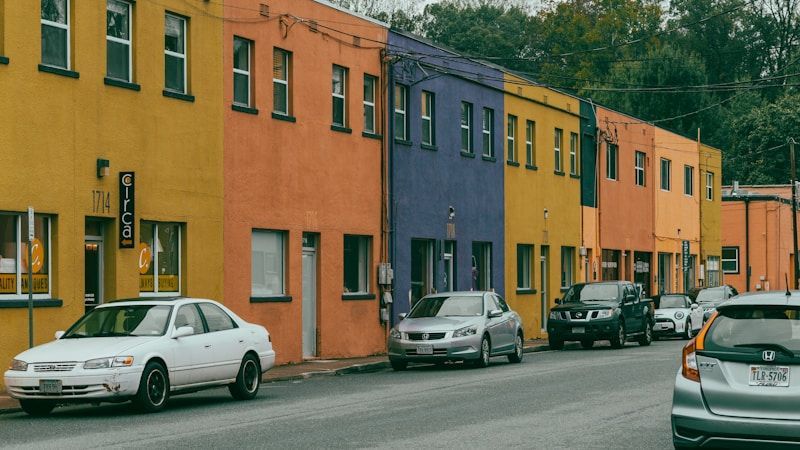
By Troy Nash March 18, 2026
A 2001 ordinance by Nash and Williams-Neal targeting the revitalization of Troost Avenue, the line that divides Kansas City.
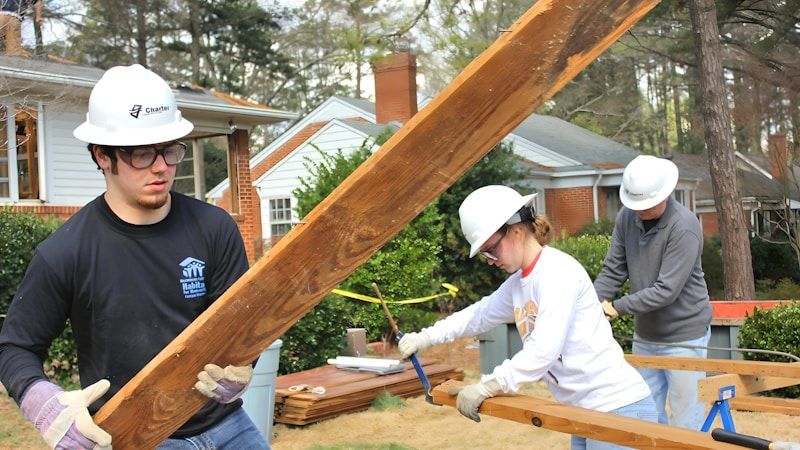
By Troy Nash March 18, 2026
How Kansas City partnered with labor unions to renovate community centers, and the partnerships Councilman Troy Nash built with labor.
By Troy Nash March 18, 2026
Building Kansas City business ties with Mexico and Costa Rica and a larger role in global trade, as covered in the press from 2001 to 2006.
By Troy Nash March 18, 2026
In May 2000, the U.S. Office of Personnel Management selected Troy Nash to serve on the Presidential Rank Award Review Board for federal executives.

By Troy Nash March 18, 2026
Savoy Magazine named Dr. Troy Nash among the Most Influential Black Executives in Corporate America in 2020 and again in 2022.

By Troy Nash March 18, 2026
Nash and McFadden-Weaver announced $300,000 for an inner city youth project, a sports complex at Woodland School in Kansas City.
Show More