Bridging the Racial Divide
Press Coverage: Kansas City Call and Kansas City Star; City Councilmen Sponsor Forum to Bridge the Racial Divide; KC Councilmen Share Lessons of Diversity; Students Say Racism Exists in KC๏ปฟ
Kansas City has a race problem. Every American city does, but Kansas City's is written into its geography. Troost Avenue divides the city by race and income. The east side is predominantly Black and underinvested. The west side is predominantly white and prosperous. The city lives with this divide every day, and most politicians treat it like weather: something to acknowledge and move on from.
I did not move on from it. I hosted public forums specifically designed to confront the racial divide and create space for honest conversation about what it means, how it happened, and what we can do about it.
The Forums
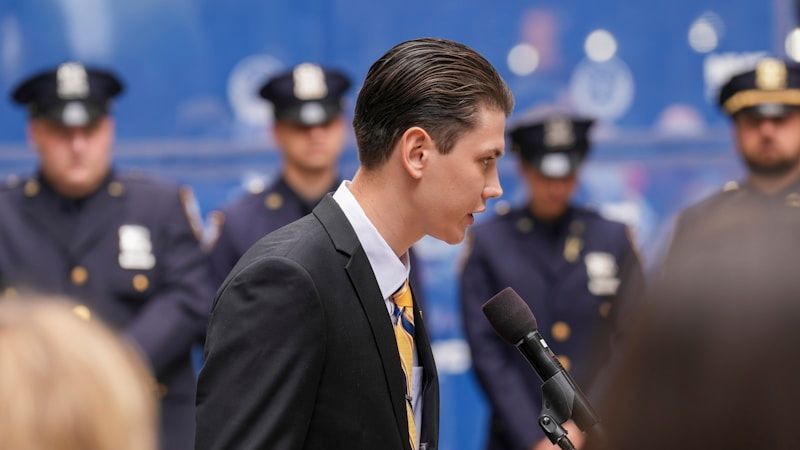
Working with my council colleagues, I sponsored forums that brought residents from across the city together to discuss race, diversity, and the structural inequalities that shaped Kansas City. These were not academic panels or political theater. They were community conversations where people said what they actually thought.
The Kansas City Call covered these events because they were unusual. Elected officials do not typically create spaces for uncomfortable conversations about race. It is easier to give a speech about unity and move on to the next agenda item. What we did was harder: we sat in rooms with people who had fundamentally different experiences of the same city and facilitated conversations that were honest, sometimes painful, and always necessary.
Students spoke about their experiences with racism in Kansas City schools. Residents described the daily reality of living in a segregated city. Business leaders acknowledged the economic consequences of the racial divide. And council members listened.
Why This Matters
Racial equity is not separate from community development. It is the foundation of it. You cannot build affordable housing, invest in transit, revitalize commercial corridors, or transform neighborhoods without confronting the racial dynamics that created the conditions you are trying to change.
Every underinvested neighborhood in Kansas City became underinvested because of racial discrimination. Redlining determined where Black families could buy homes. Restrictive covenants determined where they could not. Highway construction destroyed Black neighborhoods. Urban renewal displaced Black communities. Zoning laws concentrated poverty in Black areas.
If you do not understand that history, you cannot do effective development in these neighborhoods.
Talking about race in public is politically risky. I talked about it anyway because the alternative — pretending that race did not shape every aspect of Kansas City's development landscape — was dishonest. And dishonesty is a poor foundation for community transformation.