Nash Targets Ground Zero of Blight
Press Coverage: Kansas City Business Journal, August 18, 2000; Community Leaders Take Stand at 39th and Prospect
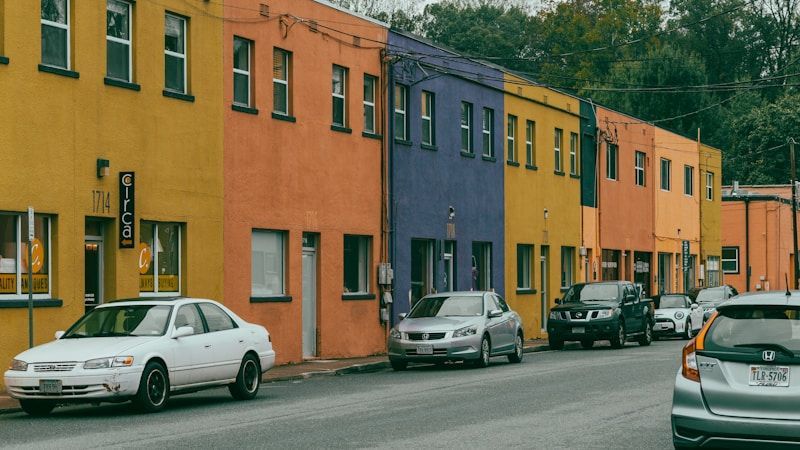
In 2000, 39th and Prospect was the intersection that Kansas City wanted to forget. Abandoned buildings. Vacant lots. Drug activity in plain sight. The kind of corner where residents walked faster, where businesses had long since left, where the city's investment had dried up and blown away.
I decided to stand there until somebody did something about it.
In July 2000, I conducted a six-day vigil at 39th and Prospect. Not from an office. Not through a press release. I was physically present at the intersection, every day, making it impossible for the city, the media, and the public to look away from what had been allowed to happen there.
Why I Stood There
There is a difference between knowing about blight and seeing it. Every council member in Kansas City knew that 39th and Prospect was deteriorating. The data was in the reports. The complaints were in the files. But data does not create urgency. Standing at an intersection surrounded by decay while cars drive past creates urgency.
I stood there because I believed that my physical presence at the worst intersection in my district would force a conversation that memos and committee hearings had failed to produce. I was right.
The Kansas City Star covered the vigil. Television cameras showed up. Community members who had been asking for help for years suddenly had a platform. And city officials who had been comfortable ignoring the problem were now being asked on camera what they planned to do about it.
The dynamic changed immediately. When a sitting council member is standing at an intersection surrounded by abandoned buildings, the city cannot pretend the problem does not exist. The media coverage made the conditions at 39th and Prospect a citywide story, not just a neighborhood complaint. And once it became a citywide story, the political calculus shifted. Doing nothing was no longer an option.
What Happened Next
The vigil catalyzed a comprehensive development plan for the 39th and Prospect corridor. The city committed resources to demolishing the abandoned buildings that were magnets for criminal activity. The Kansas City Star documented the demolitions as they happened: "Building to be demolished on 39th and Prospect." "Last targeted building to be razed at 39th and Prospect." Each headline was evidence that the vigil had produced real action.
We secured funding for new investment in the corridor, including the eventual groundbreaking for a grocery anchored development that would take years to realize but began with this moment. The vigil did not just produce demolitions. It produced a plan. And the plan produced investment that transformed the corridor over the following decade.
The vigil also demonstrated something to the community: their elected representative was willing to put himself in the same conditions they endured daily. I was not asking residents to be patient while I worked the system from an office. I was standing on their corner, in their neighborhood, refusing to leave until somebody answered for what had been allowed to happen there.
That mattered. Trust between government and community is earned through action, not words. The residents of the 39th and Prospect corridor had been asking for help for years. They had attended meetings. They had called their council office. They had filled out complaint forms. Nothing changed. My vigil showed them that their council member was willing to do more than listen. He was willing to stand where they stood and make the same demand they had been making: fix this.
The Approach
Some people in government believe that change happens through legislation and budget allocation. They are not wrong. But legislation without pressure is paper. Budget allocation without urgency is delayed indefinitely.
The vigil at 39th and Prospect was pressure. It was a public, visible, documented demand for investment in a neighborhood that the city had abandoned. It was uncomfortable for city officials because it forced them to explain why this corner looked the way it did. And it was effective because it translated community frustration into media attention, and media attention into political action.
This approach — direct, physical, present — became a hallmark of my time on the Council. I did not believe in conducting my job from behind a desk. The neighborhoods I represented deserved a councilman who was willing to stand where they stood and see what they saw.
The Legacy
39th and Prospect is not the same intersection it was in 2000. The abandoned buildings are gone. Investment has followed. The corridor is still a work in progress, but the trajectory changed because somebody decided that the status quo was not acceptable and forced a conversation about it.
The press clippings from that week document the moment: "Nash targets ground zero of blight." "Community leaders take stand at 39th and Prospect." "Building to be demolished on 39th and Prospect." "Last targeted building to be razed at 39th and Prospect." These are not just headlines. They are the documentary evidence of what happens when an elected official decides that a community's problems are worth standing in.
That same philosophy drives The Nash Group today. We do not parachute into communities. We show up. We stay. And we do not leave until the work is done.
Recent Posts