Taking On Illegal Dumping: Environmental Justice
Press Coverage: Kansas City Star; Illegal Dumping Riles KC Council; Dumping Prevention Program Isn't a Waste; Nash and Trash; Councilman Nash Tackles Weeds; Councilman Nash Tackles Litter Control; Project ROAR Will Help Clean Up Kansas City
Let me tell you about garbage. Not the metaphorical kind. The literal kind that people dump on vacant lots in neighborhoods where nobody in power is paying attention.
Illegal dumping in the Third District was not a nuisance. It was an environmental justice issue. Companies and individuals were treating the vacant lots and alleys of Black neighborhoods as free landfills. Old tires. Construction debris. Household waste. Hazardous materials. The kind of refuse that would trigger immediate enforcement action if it appeared in a Country Club Plaza parking lot was accumulating in the neighborhoods I represented without consequence.
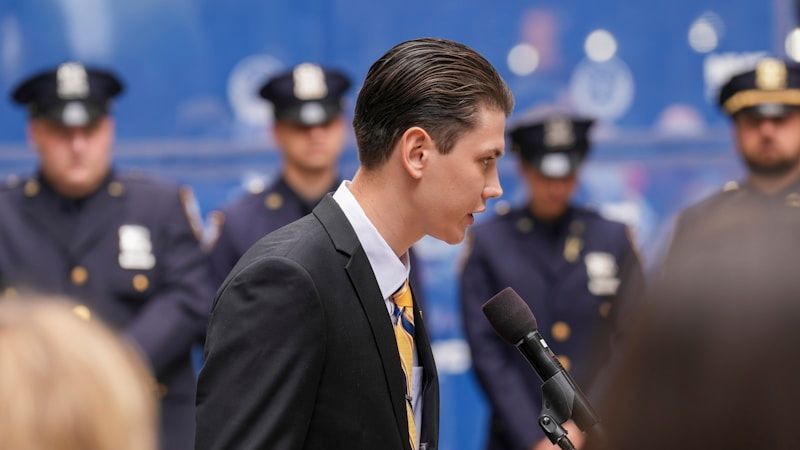
I tackled this issue with the same intensity I brought to everything else on the council: directly, publicly, and persistently.
The Problem
Illegal dumping is a symptom of a larger disease. When a neighborhood is neglected, when code enforcement is weak, when vacant lots proliferate, when the city's presence has essentially evaporated, dumpers treat the neighborhood as a cost-free disposal site. They save themselves the landfill fee and pass the cost to the community in the form of contaminated soil, rodent infestation, reduced property values, and public health risks.
The environmental justice dimension is clear: illegal dumping concentrates in low income communities and communities of color. This is not coincidence. It is a direct consequence of enforcement patterns that prioritize some neighborhoods over others. When a dumper calculates where to unload a truckload of construction debris, they choose the neighborhood where the chance of getting caught is lowest. That neighborhood is almost always a Black neighborhood on the East Side.
The health impacts are real and documented. Illegally dumped materials attract rodents and insects. Construction debris can contain lead paint chips and asbestos. Old tires fill with standing water that breeds mosquitoes. Household chemicals seep into the soil and contaminate groundwater. The people who live near illegal dump sites experience higher rates of respiratory illness, skin conditions, and other health problems directly attributable to the materials that have been dumped in their neighborhood.
What I Did
I introduced legislation and directed city resources to combat illegal dumping in the Third District. The approach was multi-pronged: enforcement, prevention, and cleanup.
On enforcement, I pushed for stronger penalties for dumping and better coordination between the city's code enforcement division and the police department. Dumping is not a victimless quality of life offense. It is environmental contamination that harms residents' health and property values. The penalties needed to reflect that reality, and the enforcement needed to be consistent enough to create genuine deterrence.
On prevention, I supported the development of a dumping prevention program that the Kansas City Star covered favorably, noting that the program was a practical approach to a persistent problem. Prevention meant making it harder to dump and easier to get caught. That included better lighting on vacant lots, camera monitoring in known dump sites, and partnerships with neighborhood associations to report dumping activity.
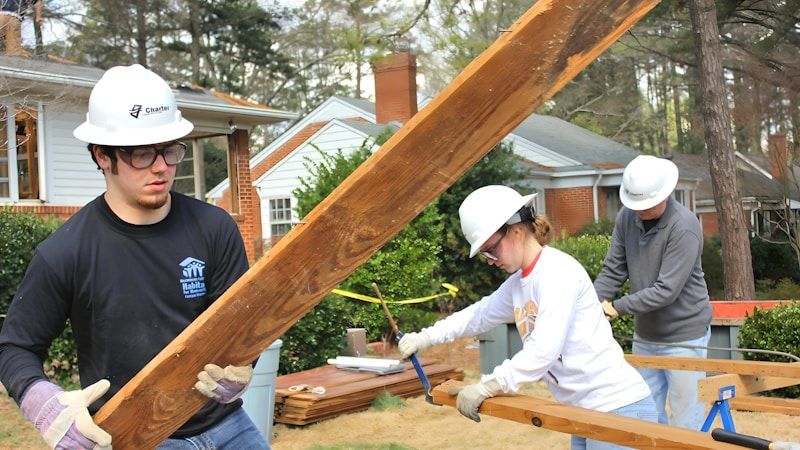
On cleanup, I championed Project ROAR, a city-wide cleanup initiative that mobilized volunteers and city resources to clear illegally dumped materials from neighborhoods. The Kansas City Star covered the initiative as a significant effort to address a problem that had been ignored for too long. Project ROAR was not just a cleanup event. It was a statement: these neighborhoods deserve the same environmental quality that the rest of the city enjoys.
I also tackled the related issues of weed abatement and litter control. These are not glamorous issues. No politician has ever built a national profile on weed control. But in neighborhoods where vacant lots were waist-high with weeds and alleys were filled with litter, these issues affected quality of life in immediate, daily, visible ways.
The Kansas City Star covered these efforts with headlines that captured the substance: "Illegal Dumping Riles KC Council." "Dumping Prevention Program Isn't a Waste." "Nash and Trash." "Councilman Nash Tackles Weeds." "Councilman Nash Tackles Litter Control." "Project ROAR Will Help Clean Up Kansas City." Each headline represented another step in a sustained campaign to improve the physical environment of the Third District.
Why This Matters
Environmental justice is community development. When a neighborhood's physical environment is degraded — when lots are dumping grounds, when weeds obscure sidewalks, when litter accumulates in every public space — the message to residents is clear: nobody cares about where you live.
Reversing that message requires sustained investment in the physical environment. Not as an aesthetic exercise, but as a statement of value. Every weed cut, every illegal dump cleaned up, every litter initiative completed says to the community: you matter, your neighborhood matters, and the conditions you have been forced to live with are not acceptable.
The Nash Group carries this philosophy into every development project. Site condition is not an afterthought. It is the first impression a project makes on the community and the market. When we develop a site, we leave the surrounding area better than we found it, because a clean, well-maintained environment is the foundation on which community trust is built.
The fact that illegal dumping concentrates in low income communities of color is not a mystery. It is a predictable outcome of enforcement patterns that have historically allocated more resources to wealthier neighborhoods. Changing those patterns requires elected officials who are willing to fight for equitable enforcement and who understand that environmental quality is not a luxury reserved for affluent communities.
I was that elected official. The press documented every initiative, every cleanup, every piece of legislation. And the principle that drove all of it — that every community deserves a clean, safe physical environment — is the same principle that drives The Nash Group's work today.
Recent Posts